Related Articles
- Unlocking Wealth: How Climate-Resilient Crops Are Shaping Financial Stability Amid Price Volatility
- Top 6 Emerging College Savings Solutions Unveiled Recently That Transform How Families Build Funds
- The surprising role of urban farming in creating economic buffers during volatile market cycles
- Unveiling the Quiet Impact of Climate Change on Municipal Bond Maturity Structures and Laddering Choices
- How Intergenerational Debt Shapes Families’ Ability to Fund Higher Education in Unseen Ways
- Top 6 Dynamic Laddering Tools from the Last Five Years Revolutionizing Interest Rate Risk Management
The Untold Impact of Neighborhood Networks on Social Security Accessibility in Rural America
The Untold Impact of Neighborhood Networks on Social Security Accessibility in Rural America
Neighborhood networks significantly shape accessibility to Social Security benefits in rural America, impacting both awareness and application processes. Through a blend of community support and information-sharing, these informal systems often fill the gaps left by formal services.
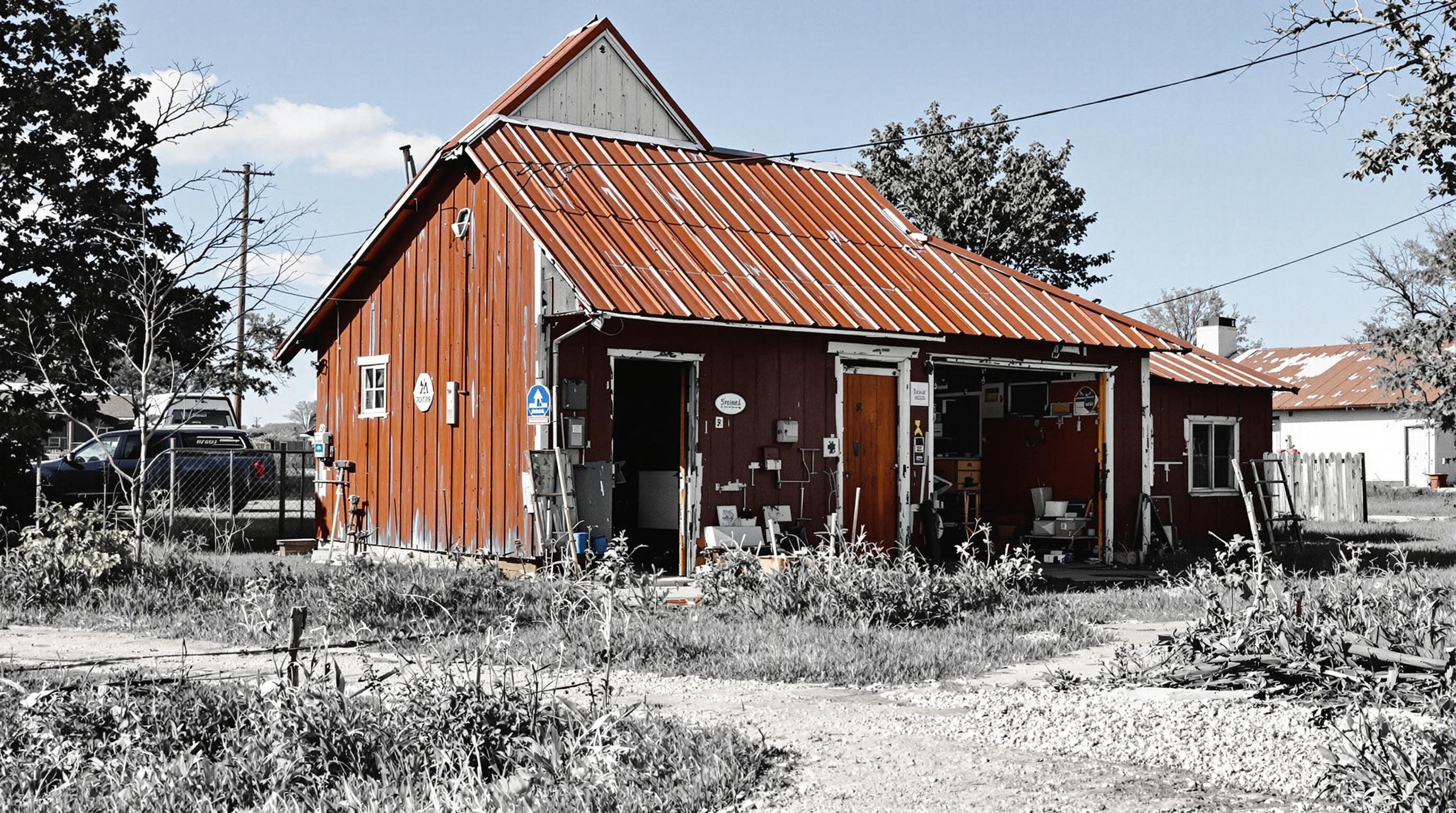
Imagine driving through the quiet expanses of rural Nebraska, where the nearest Social Security office might be over 50 miles away. Residents often rely on their neighbors not just for borrowed tools or a helping hand but for vital information about benefits they might not even know they qualify for. In places where institutional outreach is slim, these human networks transform into lifelines.
A Friendly Chat That Changes Lives
Take the story of Edith, a 68-year-old retired schoolteacher in rural Montana. She once confided to her local quilting group about confusion over applying for her Social Security benefits. Another member, with recent experience navigating the system, offered guidance and even accompanied her to the nearest office. Without this communal assistance, Edith’s journey might have been fraught with delays or missed deadlines.
Such anecdotal evidence illustrates a larger truth: informal neighborhood networks act as crucial conduits for Social Security knowledge. In counties where internet connectivity is spotty and public transportation scarce, these interpersonal interactions often become the primary source of support.
Data Speaks Loudly
According to a 2021 study by the Rural Policy Research Institute, approximately 38% of rural seniors reported difficulty accessing Social Security resources due to transportation or communication barriers. Yet, in communities with strong neighborly ties, the rate of successful applications increases by nearly 15%, highlighting the power of local networks.
These numbers underscore a paradox: while rural America struggles with infrastructural deficits, social bonds often compensate. It’s a narrative rarely captured in official statistics but deeply felt on the ground.
When Formal Systems Fall Short
Federal Social Security offices typically operate on limited schedules in rural counties, with some areas served by mobile units visiting only once a month. For an aging population, this infrequency can translate into daunting obstacles. The situation is exacerbated by a lack of local advocates who understand the nuances of policy changes and paperwork.
Enter the informal neighborhood champions—individuals like local librarians, postal workers, or even retired benefits counselors—who become de facto advisors. They empower neighbors with clear explanations and hand-holding through the bureaucratic maze. It’s this grassroots approach that shapes accessibility more than any official policy.
The Digital Divide and Its Discontents
While government agencies increasingly encourage online applications, rural areas face a persistent digital divide. Pew Research Center (2022) highlights that 23% of rural seniors lack reliable broadband access, compared to 8% in urban areas. For these residents, online portals are not an option, increasing dependence on face-to-face neighborhood support.
One might laugh at the image of a Facebook chat suddenly becoming an impromptu Social Security help desk in a small town, but it’s precisely these informal tech-savvy exchanges that are reshaping rural connectivity and assistance.
Policy Implications & Recommendations
Understanding the untold impact of neighborhood networks calls for policymakers to foster and integrate these community assets into formal Social Security outreach. Training programs that equip local leaders with up-to-date information and tools could amplify their effectiveness. Furthermore, hybrid models combining virtual services with localized human support may bridge current gaps.
Without intentional collaboration, rural seniors risk remaining underserved, perpetuating economic insecurity and mistrust toward governmental processes. Enhancing social infrastructure is as critical as investing in physical roads for truly equitable access.
A Call to Action
At 55, with a career spanning social work and community development, I’ve seen firsthand the juxtaposition of policy and reality. Rural America is not just a backdrop of statistics but a tapestry of relationships that animate access and opportunity. Recognizing and reinforcing neighborhood networks could rewrite the script for millions of seniors struggling with Social Security access.
Next time you think about rural communities, remember: it’s often the neighborly nod, the shared cup of sugar, or an afternoon spent filling out forms side-by-side that makes the difference between benefits received and benefits missed.
Challenging Stereotypes, Empowering Communities
It’s easy to stereotype rural areas as isolated or backward in technological adaptation, but these narratives overlook resilience and ingenuity. Neighborhood networks don’t just pass on information; they build trust and reduce fear around complex bureaucratic systems. This social capital can be a potent antidote to loneliness and economic vulnerability alike.
The American community spirit shines brightly in these networks, subtly but surely influencing well-being and financial stability. Supporting their growth deserves more recognition in both research and practice.
Final Thoughts: The Power of Connection
Social Security is more than a government program—it’s a lifeline for many. In rural America, where formal service structures are stretched thin, the untold impact of neighborhood networks on Social Security accessibility is profound and multifaceted. They serve as educators, advocates, and emotional supporters, weaving a safety net when none seems visible.
A future where these networks are valued and strengthened may well herald a more inclusive, effective system that honors not only policy but the people it serves.